
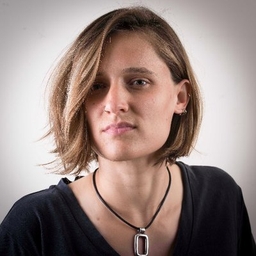
Anna Hiatt
Verified
executive editor @CoveringClimate | contributing editor, fmr executive editor, digital @TheNation | @risj_oxford OCJN 2023 fellow | dc born, bred
Articles by Anna Hiatt
Why COP31 Could Surprise Us
RSVP HERE UN climate summits are all but synonymous with low expectations — long on rhetoric, short on action. But there are concrete reasons why COP31 could be different. Held in Turkey from November 9 to 20, COP31 takes place days after US elections that nonpartisan experts project will cost President Donald Trump his rubber-stamp control of the US Congress.
Get Prepped to Cover COP31 — From Turkey and Remotely
RSVP HERE How did we get into this climate mess? And how do we get out of it? Those are the questions that COP, the annual UN climate summit, is supposed to try to answer. But can it, really? In this session, we will delve into the global political landscape of climate policy, focusing on the international processes, agreements, and negotiations that shape climate action worldwide.
Climate on the Ballot: Voters Want Candidates to Talk About It
RSVP HERE Climate change might not be dominating headlines, but it’s on voters’ minds. A new poll from the non-partisan nonprofit Environmental Voter Project finds that 59% of likely midterm voters in eight battleground states want politicians to talk more about climate change and pollution. Among the 81% who said that they wouldn’t rule out a candidate who makes transitioning away from fossil fuels a top priority, seven out of 10 said they would be more likely to vote for them.
Betting the House: Building a Successful Reporting Collaborative
RSVP HERE Betting the House is a pop-up collaboration of independent journalists reporting on what the climate crisis means for the places we call home. As extreme weather events become more frequent and severe, the questions around where we live, and how it will be affected by a warming planet, become more pointed.
Suncor v. Boulder: The Climate Showdown at the Supreme Court
RSVP HERE The first case the US Supreme Court will hear this fall term is a blockbuster climate lawsuit — one of dozens brought by state and local governments that argue oil companies deceived the public about the dangers of burning fossil fuels and should be held accountable for climate damages.
Rising Energy Bills, Climate, and the 2026 Midterms
Americans are facing an energy affordability crisis, and relief can’t come soon enough. How current officials and winning candidates tackle energy affordability will determine whether states maintain progress in decarbonizing their energy systems or lock in new fossil fuel infrastructure for decades to come. Though candidates are prioritizing the issue in their midterm campaigns, too often, they fail to provide the climate context worsening this crisis.
Examining Nepal’s Deadly Flood & Its Climate Connection
In this special conversation with Covering Climate Now, we’ll hear from panelists based in Nepal and a mountain geographer specializing in glacier hazards about the flash flooding that destroyed towns, killed hundreds, and left thousands of people missing — and the unmistakable impact of climate change, a threat multiplier, is playing in making this kind of environmental disaster even more likely.
CCNow Basics (2026): The Three Pillars of Climate Reporting
Climate change affects everyone, and reporting on it means telling a human story. However, this narrative often gets buried under big scientific terms, distant impacts, lofty gatherings and an excessive dose of doom and gloom. This has left audiences feeling disengaged, overwhelmed, and disheartened. At Covering Climate Now, we believe there’s a better way. We can tell this story as it is, with its impacts, its human faces, its struggles, and its solutions.
Press Briefing: Wildfires and Climate: Experts Help You Get the Story Right
Dramatic footage of flames surrounding a freight train in Canada. Smoke-filled skies above New York City. Hundreds of thousands of acres burning in the American West. In a year defined by record heat, widespread and more severe wildfires are a vivid example of the climate crisis well underway. It’s critically important that we get this story right — to ensure that people understand the factors fueling the flames, and know how to prepare themselves should fires arrive at their doorsteps.
Climate Blueprint: Don’t Underestimate the Impact of Climate Stories
At this critical juncture in the climate crisis, and as climate journalism itself is being challenged, it’s important for outlets to have clear evidence of the impact of their reporting — to know what’s working for their audiences, what’s not, and where to improve. Impact extends far beyond big policy changes to include things like the realization of one’s power, hope, a sense of connection, and civic engagement, all of which are essential to society’s ability to address the climate crisis.
Press Briefing: Deadly Heat, Vital Reporting
As millions of Europeans swelter under record-shattering heat and North America faces similar temperatures next week, civic-minded reporting can literally save lives. As journalists, we’re part of the “social infrastructure” that shapes how communities experience extreme weather. In the short term, providing accurate and timely information on the dangers and how to stay safe is imperative.
Press Briefing: Europe’s Deadly Heatwave & Its Vast Implications
For the second month in a row, heat records across Europe are being shattered as temperatures look to surge as high as 43 degrees Celsius (109 degrees Fahrenheit). With more and more heat-related deaths being reported across the continent, some forecasters are concerned that this heatwave may rival the 2003 extreme heat event that killed nearly 15,000 people.
Santa Marta and the Future of Climate Journalism
When representatives from nearly 60 countries met in Santa Marta, Colombia, in April to discuss pathways for accelerating climate action and shifting away from fossil fuels, it represented one of the most significant multinational efforts in recent years to address the climate crisis. It also highlighted the critical role of journalism in helping the public understand complex environmental challenges at a time of intense news cycles, shrinking newsroom resources, and growing disinformation.
Covering Climate Now en Español: Cómo cubrir el Mundial de fútbol bajo el calor extremo
El calor extremo ya está cambiando la forma de jugar al fútbol y la FIFA World Cup 2026 será una prueba clave. Del 11 de junio al 19 de julio, 16 ciudades de Canadá, México y Estados Unidos acogerán a los 48 equipos que competirán en el Mundial, donde las altas temperaturas podrían ser un factor decisivo.
Press Briefing: 2026 Hurricane Season — What You Need to Know Ahead of NOAA’s Outlook
On Thursday, May 21, NOAA will issue its first prediction for the 2026 Atlantic hurricane season, highlighting how a forecasted strong El Niño could impact tropical development this year. However, this is just one force at play — with climate change’s role in fueling stronger storms likely not to be mentioned in their official forecast.
CCNow Basics: Reporting Solutions (Two Sessions)
The news cycle around climate has never been more turbulent. Rollbacks, funding cuts, and a coordinated effort to stifle science make this a difficult moment to cover climate. And yet, it remains the defining story of our time. That’s exactly why solutions journalism matters more than ever. Audiences everywhere want to know what’s working, who’s fighting for it, and how, but in an ocean of distractions, greenwashing, big claims, and doom and gloom, it’s easy to lose direction.
Talking Shop: How Climate Denialism Is Evolving With Trump in Office
In April, a climate denial conference hosted in Washington, D.C., and boasting US Environmental Protection Agency head Lee Zeldin as a keynote speaker signaled a new era in US politics: from a slow but growing embrace of climate science in federal policy to outright rejection of the scientific consensus.
Talking Shop: Compelling Climate Visuals & Where to Find Them
Selecting the right visuals is crucial to accurately telling the climate story and engaging audiences. Visuals are journalists’ first chance to hook readers and viewers; they can entice someone to click on a story and engage or to scroll away. Join Covering Climate Now and Climate Visuals for a special webinar about how to visualize climate change with videos and stills, for print and TV.
Press Briefing: America’s Extreme Drought and Its Climate Connection
Almost half of the US’s population is battling drought — and it’s expanding. A lack of meaningful spring rainfall worsened by record heat fueled by climate change has led to many states dealing with “severe to extreme drought,” increasing wildfire risks and warranting water restrictions for some areas for the first time in decades.
Press Briefing: The Fossil Fuel Phase Out Conference Is Days Away
The First Conference on Transitioning Away From Fossil Fuels, taking place April 24–29 in Santa Marta, Colombia, will begin drafting a global “roadmap” to phase out fossil fuels. Petrostates used UN consensus rules to veto that idea last November at COP30. But as CCNow pointed out in an article published this week, the Santa Marta conference will not be governed by UN rules.
Live from SEJ: The State of Climate Journalism
Join Covering Climate Now for a frank conversation about the state of climate journalism, in a discussion from the Society of Environmental Journalists convention in Chicago. Amid concerns about a backsliding of climate coverage in the press, CCNow interviewed dozens of climate reporters from around the world to assess the challenges facing reporters on the climate beat. The result is ‘A Burning House, A Quiet Media, A Silenced Majority,’ a new white paper from CCNow that will be released at SEJ.
Press Briefing: 2026’s “Super El Niño” and Its Potential Global Impacts
Long-range weather models are now predicting that a strong, potentially “super” El Niño is imminent. On Sunday, the European Centre for Medium-Range Weather Forecasts updated its forecast — showing that this might become the strongest event in over a century. The effects from El Niño are expansive and wide-reaching, influencing droughts, floods, sea ice, hurricanes, and extreme heat across the planet. The stronger an El Niño pattern is the more persistent and widespread its impacts are.
Press Briefing: “Virtually Impossible Heat” & the Future of the American West
Hundreds of records have been shattered across the Western US amid an early spring heatwave found to be “virtually impossible without climate change.” As abnormally hot weather continues, join Covering Climate Now and Climate Central for a special webinar highlighting the potential long-term impacts to Western snowpacks, water scarcity, and wildfire risks that will linger long after cooler weather arrives.
Press Briefing: The Iran War and the Climate Emergency — Covering Climate Now
War makes climate change worse in many ways, and vice versa. The US-Israel attacks on Iran that began over the weekend have killed hundreds of civilians and sent oil prices soaring, but this war also promises to unleash massive amounts of planet-warming gases at a time when civilization is already hurtling toward irreversible climate breakdown.
Press Briefing: Avoiding the “Spiral of Silence”
Super-majorities of people around the world want stronger climate action, as Covering Climate Now’s 89 Percent Project has reported. But they don’t hear much about climate change in the media or from friends, so they stay quiet. Now, new analysis from The Climate Majority Project shows that majorities also favor larger, systemic change — less consumerism, less polarization — but don’t say so because they too mistakenly think they’re a minority. The result?
Is There Ethical AI Use in Climate Journalism? — Covering Climate Now
As AI becomes more ubiquitous, journalists and newsrooms are increasingly using AI tools in their newsgathering and production. In this one-hour discussion, we’ll discuss some of the ethical questions about using AI in journalism, specifically on the climate story.
AI's Unquenchable Thirst for Water — Covering Climate Now
Beyond its staggering electricity demands, AI requires water — and a lot of it. A single data center can consume over 300,000 gallons a day — equivalent to the water used in a thousand homes — to cool the computers powering your chat prompts.
AI Data Centers & Their Climate and Community Impact — Covering Climate Now
The tech industry’s insatiable interest in AI is driving a data center boom in the US that shows no sign of slowing down; nearly 3,000 are under construction, adding to the more than 4,000 already in operation. The environmental footprint of these facilities is immense: A single AI-focused data center consumes as much electricity as 100,000 households, the largest ones under development are expected to use 20 times as much.
Americans Care About Climate Change More Than You Think — Covering Climate Now
Climate change is less visible in US news coverage these days, but journalists should know that the public still cares about it — and wants to hear more about it from journalists and political leaders alike. With “affordability” the new buzz word in US politics and congressional elections approaching in November, it turns out that two out of three Americans think global warming is affecting the cost of living. Six out of 10 want to vote for a candidate that supports taking climate action.
Press Briefing: Climate Change’s Olympic Impacts — Covering Climate Now
Millions of people around the world will soon be cheering on their favorite teams and athletes during the 2026 Winter Olympics. Besides being one of the best-loved sporting events on Earth, both the Winter and Summer Olympics are deeply impacted by climate change. For next month’s Games in Italy, rising temperatures led organizers to purchase 2.4 million cubic meters of artificial snow to enable consistent conditions.
Covering Climate Across Beats — Covering Climate Now
Climate change touches every corner of our lives. From the food we eat to the sports we play, from the economy to public health, and from education to infrastructure. Yet, too often, the climate connection goes unreported, leaving audiences with incomplete stories. The truth is, every journalist is, in a way, a climate journalist. Whether you cover agriculture, sports, crime, or culture, climate change is shaping the stories on your beat.
The Climate Story in 2026 — Covering Climate Now
Venezuela’s oil future. Worsening climate impacts, despite soaring clean energy. Elections in the US, Brazil, and Bangladesh. A potential post-COP30 surprise. The 89% Project’s next phase, and much more. How do we as journalists cover the big climate stories in 2026? And how do we get industry colleagues, in our own newsrooms and beyond, to join us?
Venezuela, Oil, and Climate Change — Covering Climate Now
Now that the US has deposed Venezuelan leader Maduro and claimed control of his country’s oil reserves (the world’s largest), what’s next? And what will it mean for the continued urgency of phasing out fossil fuels globally? Join Covering Climate Now for a one-hour rapid-response webinar with experts and journalists from the region who will share their insights and answer journalists’ questions.
Prep Your Climate Coverage: Winter Warming and Why It Matters — Covering Climate Now
Forget summer heat — winter is warming faster than any other season across most of the US with climate change making cold snaps less frequent and less frigid. As winter approaches, join Covering Climate Now and Climate Central for a special webinar explaining the science behind this season’s warming and snowfall trends.
Cómo convertir el resultado de la COP30 en historias reales — Covering Climate Now
La COP30 termina, pero las historias apenas comienzan. En este seminario web analizaremos los principales resultados, acuerdos y desencuentros de Belém y cómo convertirlos en coberturas relevantes, humanas, y centradas en las soluciones. Panelistas Tais Gadea Lara, periodista freelance multimedia en cambio climático Naiara Galarraga Gortázar, corresponsal de El País en Brasil Meghie Rodrigues, periodista freelance científica y climática RSVP aquí
Talking Shop: How Climate Change Fueled the Historic 2025 Hurricane Season — Covering Climate Now
As the 2025 Atlantic hurricane season winds down, join Covering Climate Now and Climate Central for a special press briefing highlighting how climate change pushed this season’s storms into record-breaking territory. While no hurricanes made landfall in the US this year, the first time since 2015, it wasn’t immune to impacts.
The Bill Gates Memo: Climate Scientists Respond With Urgency — Covering Climate Now
Ahead of this month’s COP30 summit in Brazil, billionaire investor Bill Gates is advising world leaders that global warming “will not lead to humanity’s demise” and that effort to reducing emissions are “diverting resources from the most effective things we should be doing to improve life in a warming world.” Is he right?
Prep Your COP Coverage Series — Covering Climate Now
November 3, 2025, at 11am US Eastern Time What is a COP? What do all those acronyms mean? How did we get here? And why does it matter for you as a journalist? This session is a crash course on the UN climate negotiations, from how COPs work and their history to how decisions are made, who’s in the room and what makes the process so complex, interesting and, at times, frustrating.
Climate Blueprint: Myths & Disinformation — Covering Climate Now
Myths about climate change continue to proliferate online, but such disinformation campaigns are nothing new.
CCNow Basics: Disinformation & Greenwashing — Covering Climate Now
This session will explore how disinformation, misinformation, and greenwashing shape public understanding of climate change. We will examine real data, common examples in media and politics, and the tactics used to mislead or confuse audiences. By unpacking and debunking these practices, participants will gain tools to recognize false or manipulative claims and avoid amplifying them in their reporting.
Prep Your COP Coverage: COPs 101 | What Every Journalist Should Know About Climate Diplomacy — Covering Climate Now
What is a COP? What do all those acronyms mean? How did we get here? And why does it matter for you as a journalist? This session is a crash course on the UN climate negotiations, from how COPs work and their history to how decisions are made, who’s in the room and what makes the process so complex, interesting and, at time, frustrating.
Prep Your COP Coverage: What’s at Stake at COP30? — Covering Climate Now
Why is COP30 so important, and what should journalists be watching for? This session focuses on the global and regional context surrounding COP30. We’ll look at the current state of climate progress, what issues are likely to dominate the agenda and how Brazil, the COP host, is shaping the narrative. From fossil fuel phaseout and climate finance to the future of the Amazon and the role of Indigenous peoples, we’ll highlight the topics you need to follow to be on top of the negotiations. RSVP HERE
Covering the COP in the Amazon — Covering Climate Now
This year’s UN climate summit has generated an unusual amount of interest — partly because of the severity of the climate crisis and partly because it is being held in the Brazilian city of Belem, in the Amazon. As global newsrooms prepare their coverage of COP30, how are Brazilian newsrooms, including those based in the Amazon, planning for the summit? What do they want to make sure their journalistic colleagues from outside of Brazil understand?
Workshop: How to Humanize the 89 Percent Story — Covering Climate Now
To kick off The 89 Percent Project’s second phase, Covering Climate Now is hosting a one-hour editorial meeting for journalists to brainstorm ways to put a face to the silent global climate majority, the 80 to 89% of the world’s population that wants their governments to do more on climate change. We’ll dig into how leading newsrooms are using community engagement and video journalism to collect stories, and brainstorm other ideas to put faces to the 89% number.
Cómo cubrir huracanes en plena temporada — Covering Climate Now
Estamos en el pico de la temporada de huracanes. Únete a este webinar para periodistas que trabajan en español con consejos prácticos y un enfoque humano sobre cómo cubrir huracanes antes, durante y después de las tormentas. Reserva tu plaza aquí. Panelistas Michelle Soto Méndez (Costa Rica), periodista ambiental y editora de Ojo al Clima, con 25 años de experiencia en cobertura científica y climática. Dra.
Talking Shop: The 89 Percent Project’s Next Phase — Covering Climate Now
CCNow’s 89 Percent Project made news in April reporting that 80 to 89% of the world’s people want their governments to take stronger climate action. The next phase of the project explores the people behind the numbers: who are they, why do they care, are they surprised to learn they’re the overwhelming majority?
Prep Your Climate Coverage: Autumn Extreme Weather — Covering Climate Now
Don’t wait until an extreme weather event strikes to learn how climate change is fueling changes to our weather systems. As the peak of the Atlantic hurricane activity approaches amid a historic wildfire season, join Covering Climate Now and Climate Central for a special webinar highlighting emerging climate attribution research on autumn’s extreme weather events.
Talking Shop: Climate Blueprint: The Power of Local Journalism — Covering Climate Now
Local journalism can play a powerful role in shaping our collective climate future. Helping audiences understand how global climate change impacts their everyday lives is a critical first step to move people from skepticism to action. Inspired by “The Climate Blueprint for Media Transformation,” published in summer 2024, the Solutions Journalism Network and Covering Climate Now are running a webinar series on pressing topics in climate journalism.
Talking Shop: Amplify Your Impact: Social Media Strategies for Climate Journalists — Covering Climate Now
For the first time, social media has overtaken television as Americans’ top news source. That’s according to Oxford’s Reuters Institute for the Study of Journalism in its 2025 Digital News Report, released earlier this month.
Exploring Faith-Based Community Climate Action — Covering Climate Now
Pope Francis may have been a climate trailblazer, earning himself the moniker the “climate pope,” but he’s far from alone: Leaders across many faiths joined him in advocating for urgent action on climate.
Show More
loading
Actions
Get in touch with Anna
Contact Anna, search articles and posts on X, monitor coverage, and track replies from one place.
Learn more about Muck Rack