
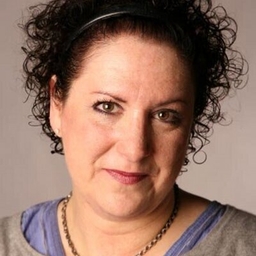
Allison Carey
As seen in:
MSN,
Yahoo News Malaysia,
Memory Studies,
The Hill,
Smithsonian Magazine,
Yahoo,
Cleveland.com,
The Plain Dealer,
BioRxiv,
Crain's Cleveland Business
and
I'm a former reporter/photojournalist for The Plain Dealer Publishing Co. As a freelancer, I write about real people, local artists and small businesses.
Is this you? As a journalist, you can create a free Muck Rack account to customize your profile, list your contact preferences, and upload a portfolio of your best work.
Claim your profile
Get in touch with Allison
Contact Allison, search articles and posts on X, monitor coverage, and track replies from one place.
Learn more about Muck Rack