
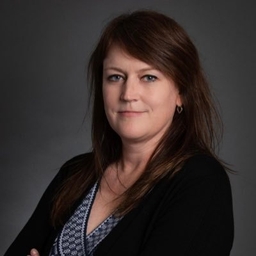
Caitlin Schmidt
(She/Her)
Journalist in Southern Arizona | Adjunct instructor at @uazjschool
Get in touch with Caitlin
Contact Caitlin, search articles and posts on X, monitor coverage, and track replies from one place.
Learn more about Muck RackActions
Caitlin Schmidt’s Biography
Read Full Bio →Caitlin Schmidt is an award winning journalist based in Southern Arizona and co-founder of Tucson Spotlight, a nonprofit newsroom dedicated to spotlighting undercovered topics and communities and amplifying the voices of new, emerging and diverse journalists. Prior to her time at Spotlight, Schmidt spent more than a decade reporting for the Arizona Daily Star and co-founded the Tucson Agenda, a Substack newsletter focused on government and politics. She's won dozens of awards for her reporting …
Caitlin Schmidt’s Journalist Portfolio
See all 35 portfolio items →


Interview
See all 4 answers →How is social media changing news?
Social media has changed news by speeding up how information is shared, shifting where people get their updates, and giving communities more power to shape the conversation. It’s no longer just about publishing a story and hoping readers find it — it’s about meeting people where they are, whether that’s Instagram, Facebook, TikTok or WhatsApp.
At Tucson Spotlight, we embrace social media as both a reporting tool and a way to connect. We use it to share breaking updates, highlight underreported stories, and invite community input long before a piece is published. We post in approachable, engaging formats — from short videos to carousel explainers — and we respond to comments and messages so people know there’s a real person listening on the other side.
For us, it’s not just a distribution channel — it’s an extension of our newsroom’s front porch, where conversations start, ideas are shared, and trust is built one post at a time.
What does it mean to be a journalist?
Being a journalist means listening first and reporting with the community, not just about it. It’s about showing up — at city council meetings, neighborhood events, and kitchen tables — to understand what matters to people and how information can make a difference in their daily lives.
It means seeking out voices that are too often left out, asking hard questions with respect, and telling stories that reflect the full complexity of Southern Arizona. It’s holding institutions accountable while also celebrating the people and ideas building solutions.
Most of all, it’s about trust — earning it, keeping it, and using it to make sure our reporting serves everyone, especially those who’ve been overlooked by traditional media.
Why did you become a journalist?
I became a journalist because I’ve always been driven by curiosity, a desire to understand the “why” behind events, and a belief that access to reliable information is essential for strong communities. I saw how stories — when told with care and accuracy — could give people a voice, shed light on problems and spark change.
Over time, I also saw how certain communities were overlooked or misrepresented by mainstream news. That fueled my commitment to telling stories that reflect the full diversity of Southern Arizona, to listen before reporting, and to create coverage that’s accountable to the people it serves.
For me, journalism isn’t just a career — it’s a way to build trust, connect people, and make sure no community’s story is left untold.