
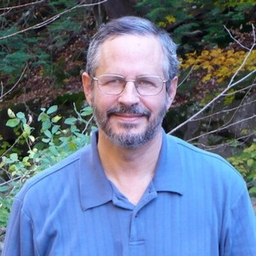
Ken Terry
As seen in:
WebMD,
CBS Moneywatch,
CBS News,
MarketWatch,
Medscape,
Computerworld,
CIO,
Health Affairs,
Internal Medicine News,
MDEdge
and
I live in western Massachusetts and write about health care and health IT.
Is this you? As a journalist, you can create a free Muck Rack account to customize your profile, list your contact preferences, and upload a portfolio of your best work.
Claim your profile
Articles by Ken Terry
A plan to save primary care that puts doctors in charge
PCPs don’t have to suffer silently under employers that deprofessionalize them and treat them as the low people on the totem pole of health care. They can embark on a mission to save U.S. health care, while increasing their earnings and enhancing their status. This may sound like a pipe dream. But all the essential elements for it are available. All that’s needed is the political will to make it happen.
A Medicare for All alternative that keeps insurers in
An excerpt from Beyond Medicare For All: Cracking the Code of the Healthcare Affordability Crisis. If our goal is high-quality, comprehensive, affordable health care for all, we must make health care less profitable. If health systems and corporations continue to control health care and their main goal is profit, health costs will continue to rise faster than the ability of society to pay, regardless of any reform efforts.
Telehealth stimulant conviction: lessons from the Done Global case
The recent federal conviction of Done Global’s CEO, Ruthia He, and its clinical president, psychiatrist David Brody, on November 20, 2025, has brought long-standing concerns about virtual ADHD prescribing into undeniable focus. A San Francisco jury found both executives guilty of conspiring to distribute Adderall and other Schedule II stimulants, along with health care fraud and (for He) obstruction of justice.
Redefining health care through agency and partnership [PODCAST]
Subscribe to The Podcast by KevinMD. Watch on YouTube. Catch up on old episodes! Patient advocates Alan P. Feren and Joyce Griggs discuss the article “Why agency and partnership are vital in modern health care.” In this episode, Alan and Joyce explore how collaboration, advocacy, and shared responsibility create stronger, more effective care.
Rebuilding the backbone of health care [PODCAST]
Subscribe to The Podcast by KevinMD. Watch on YouTube. Catch up on old episodes! Family physician Grace Yu discusses her article “The backbone of health care is breaking.” In this episode, Grace reflects on the urgent decline of the primary care workforce and the growing crisis facing family medicine.
Doctors reclaiming their humanity in a broken system [PODCAST]
Subscribe to The Podcast by KevinMD. Watch on YouTube. Catch up on old episodes! Physician advocates Alae Kawam, Kim Downey, and Nicole Solomos discuss their article “True stories of doctors reclaiming their humanity in a system that challenges it,” sharing firsthand accounts of the cultural rift in modern medicine and the toll of corporate models on patient care and physician well-being.
The unspoken contract between doctors and patients explained
We often sign extensive contracts when entering long-term commitments — think of the fine print in a mortgage, a car loan, or a new job offer. While there are privacy forms and acknowledgments of office policies, the expectations of the physician-patient relationship are often assumed rather than explicitly stated. Some providers do outline expectations, and in today’s medicolegal environment, HIPAA notices are always signed — but that’s not the same as a mutual understanding.
Why primary care doctors are drowning in debt despite saving lives
I knew there was a cost when I chose to become a physician: The long hours, delayed gratification, the strained relationships. I could understand these things as familiar from my lived experiences. I knew there would be a financial burden, and having been raised by two immigrant parents, an electrician and a nurse, I was no stranger to the pressures of financial insecurity.
Why boredom is good for your brain and health
A few weeks ago, I heard Michelle Obama say something that stopped me in my tracks: “We have to learn to be OK with the regular days. The in-between. The parts of life that aren’t exciting.” I thought of my kids in the back seat during a long car ride, sighing dramatically, claiming they were “literally dying” of boredom. I thought of patients sitting in a waiting room with nothing but their own thoughts. I thought of myself between major life goals, wondering why I felt restless.
Why patients and doctors are fleeing flagship hospitals
In the once-venerable corridors of our state’s flagship academic hospital, a slow-motion disaster is unfolding. White patients — yes, white patients, because that’s who’s leaving — are abandoning ship, hightailing it to the quieter, politer hospitals in “white” suburbs. Why? Because the “uniformly Mexican” staff — medical assistants, front desk drones, and nursing staff — treat customer service like it’s a foreign concept. And frankly, it is.
Why more doctors are choosing direct care over traditional health care
Let’s start with a simple truth: Medicine is hard. It’s hard for doctors, and it’s hard for patients. The headaches of today’s health care ecosystem—endless paperwork, shrinking appointment times, and the ever-present shadow of insurance approvals—can make it feel like the heart of medicine is slipping away. Lost in the system For years, I practiced in the traditional insurance-based model.
Why hospitals are quietly capping top doctors’ pay
Are 10 percent (or 25 percent) of all the physicians in your specialty breaking the law? Of course not! Who would think such a thing? Your friendly neighborhood “nonprofit” hospital, that’s who! I have been reviewing physician employment agreements for almost 40 years, and in the last few years I have noticed a spike in the number of agreements that “cap” physician salary.
Why compassion-not credentials-defines great doctors
I entered medicine like many young physicians do—eager, determined, and drawn to its promise of excellence. The white coat, the respect, the thrill of diagnosing a rare disease or saving a critical life—all of it called to me with undeniable force. I studied relentlessly, passed my boards, published research, and spoke on conference stages. Those achievements came with a sense of pride, even joy. But they were not the full story. They were only the prologue.
Why tracking cognitive load could save doctors and patients
Medicine demands precision. However, we overlook one of its most critical variables: physician cognitive load. As a medical student, I see both sides: how deeply patients trust their doctors, and how invisible that mental toll often is. Each day, doctors are pressured to make high-stakes decisions while managing patient care and mental strain. As a field, we track vital signs but fail to measure cognitive fatigue. Burnout is peaking at crisis levels.
Will Federal Cuts Affect mRNA Cancer Vaccine Research?
If you’ve ever administered or received a COVID-19 vaccine, chances are it was based on messenger RNA (mRNA) technology — a medical breakthrough decades in the making and finally achieved thanks to the coordinated effort and enormous funding mobilized by the pandemic. The promise of mRNA vaccines is immense, researchers said. Several vaccines, including for influenza and respiratory syncytial virus, have been approved or are in the approval pipeline.
From burnout to balance: a lesson in self-care for future doctors
Last fall, more than 20,000 first-year medical students donned white coats, pushing total U.S. medical school enrollment to nearly 100,000. Yet despite this surge of new trainees, the American Association of Medical Colleges projects a shortage of up to 86,000 doctors by 2036. The strain is already evident. Each year, tens of thousands of American physicians pack up their stethoscopes and scalpels and leave medicine, citing burnout, administrative overload, and eroding autonomy.
Why patients and doctors are ditching insurance for personalized care
As the traditional health insurance framework becomes increasingly inaccessible, physicians and clinical leaders are being called to rethink both how care is delivered and how it is paid for. Insurance companies are covering fewer services, raising deductibles, and narrowing networks. Patients are now forced to make health decisions based not just on need—but on affordability, timing, and bureaucratic feasibility.
Spreading hope one card at a time for doctors' well-being [PODCAST]
Subscribe to The Podcast by KevinMD. Watch on YouTube.
America May Have a New Rx Drug Crisis. Are You Part of It?
April 9, 2025 – Attention deficit hyperactivity disorder is no longer understood as mainly a childhood condition. The number of adult diagnoses has increased significantly in recent years, and the share of patients over 18 being prescribed stimulants – mostly amphetamines – and becoming addicted to them has risen accordingly. These medications, such as Adderall and Vyvanse, are the most common treatments for adult ADHD and are generally considered safe for long-term use.
Why COVID Vaccination Is Still Crucial for Children
March 21, 20205 — Vaccinated children are much less likely to develop “long COVID” than are unvaccinated children, according to a that researchers hope will convince parents to keep kids’ immunizations up to date. Many parents don’t get their children vaccinated against COVID-19 because pediatric cases are generally mild. But the study of post-COVID condition (PCC), as scientists call long COVID, supports continued vigilance, researchers say.
Exploring the long-term impacts of physician suicide on patients and doctors [PODCAST]
Subscribe to The Podcast by KevinMD. Watch on YouTube.
Doctors, grounded in our oath, must act now more than ever
In this time of change, it seems appropriate to take a step back and reflect upon the oath we took when we graduated from medical school.
Fitness Reduces Dementia Risk, Even in Those at Genetic Risk
Feb. 5, 2025 – Staying fit is one of the best ways to lower the risk of dementia — even for those with a genetic predisposition to the condition. A new study in the British Journal of Sports Medicine calculated a 35% decrease in the odds of developing dementia among those with a genetic risk but who have a high level of cardiorespiratory fitness, or CRF. CRF refers to how well the heart, lungs, and muscles work together to supply oxygen during sustained physical activity.
Why doctors must talk about death: the truth about CPR and end-of-life care
When I was a general surgery intern, I was doing my very early morning pre-rounds on a frail female patient in her late 70s with significant cardio- and peripheral vascular disease. She’d been in the hospital for weeks and wasted away to no more than 85-90 pounds. She was not able to get out of bed unassisted. I don’t even remember why she was in the hospital, but what I remember vividly is walking in that morning to find her dead. Wait—was she? She was not breathing, and she didn’t have a pulse.
How to Avoid Overtreatment of Prostate Cancer
Jan. 15, 2025 – Prostate cancer is quite common – over 60% of those diagnosed are men over the age of 65 – but it’s not a high priority for cancer researchers. One big reason: Most men with prostate cancer will die of something else because the cancer grows so slowly. So for the past 15 years, there’s been a big increase in “watchful waiting,” meaning doctors monitor the patient’s condition but don’t treat the disease unless symptoms appear or worsen.
How poor communication is killing patients and burning out doctors
As an emergency room physician with 20 years of experience, I’ve witnessed countless moments where patients come to the ER not because their symptoms demand urgent care, but because they lack understanding about their own medical conditions. These are not isolated incidents—they’re a systemic failure in communication that contributes to patient distress, health care inefficiency, and physician burnout.
How a network of changemakers is revolutionizing health care [PODCAST]
Subscribe to The Podcast by KevinMD. Watch on YouTube. Catch up on old episodes! Join us for an inspiring conversation on transforming health care with Kim Downey, a physician advocate and physical therapist; Dawn Ellison, an emergency physician; and Denise Wiseman, a health care executive.
How burnout nearly killed me-and what doctors must do to survive Original
I’ve wanted to be a doctor since I was 12. Growing up, I idolized my pediatrician, Dr. Helen Nash, one of the first Black female physicians in St. Louis. Her warmth and competence left a lasting impression on me. Medicine became my calling, my purpose, and my dream. I worked tirelessly through high school, college, medical school, and residency to make that dream a reality. But no one warned me that the reality could turn into a nightmare. Being a doctor nearly killed me.
How a setback fueled a lifelong dedication to patients [PODCAST]
Subscribe to The Podcast by KevinMD. Watch on YouTube. Catch up on old episodes! We sit down with family medicine physician Jennifer Tillman to explore the transformative journey from early academic struggles to a fulfilling medical career. Jennifer shares her personal story of overcoming a pivotal setback in organic chemistry and defying discouragement to achieve her dream of becoming a doctor.
Misdiagnosis Is Dangerous. Help Your Doctor Get It Right
Nov. 11, 2024 – You have the power to reduce the risk of one of medicine’s most serious dangers. As either a patient yourself, or a caregiver for a loved one, you can take some simple steps that might help avoid a misdiagnosis – one of the leading causes of death in the United States. Misdiagnosis – including missed, delayed, and wrong diagnoses – leads to an estimated 371,000 deaths in the U.S. each year, according to a 2021 study, and 424,000 permanent disabilities.
DOJ charges 14 with COVID-19–related fraud nearing $150M | MDedge
The U.S. Department of Justice (DOJ) on May 26 announced charges against 14 defendants across the country who allegedly engaged in health care fraud schemes that exploited the COVID-19 pandemic and resulted in over $143 million in false billings to Medicare. Among the defendants, a DOJ news release said, were a telemedicine company executive, a physician, marketers, and medical business owners.
What would we do if we weren’t doctors?
I have often wondered where I would be if I had never been accepted to medical school. After all, I got in by the slimmest of margins. I even failed at one application round, finally matriculating at Boston University after an icy post-college winter delivering UPS packages through the snow-covered streets of Cambridge and a depressingly lazy summer punching receipts at the exit to BJ’s Wholesale Club.
To care or not to care: reflections on treating incarcerated patients
In medical school, we are taught that the well-being of the patient is our highest priority. This principle is central to our training, constantly reinforced through lectures, simulations, and clinical experiences. However, this notion was challenged in an unexpected way when I found myself caring for an incarcerated patient. The start of the interaction was unsettling. As I approached the patient’s room, I hesitated, unsure of how to proceed.
FDA-Cleared Medical Devices Lack Proper Vetting, Doctors Say
Oct. 16, 2024 — Before the FDA allows prescription medicines on the market, drugmakers must prove they’re safe and effective. What’s less widely known is that most medical devices — including those implanted in the human body — don’t have to meet the same rigorous standards to be sold and used. As a result, patients are being exposed to avoidable harm, critics of the device review process say. And some have been injured or died.
The overwhelming reality of primary care why doctors still persevere
I’m primary care and I see a patient in a 10-minute appointment who tells me she now has a disabled daughter who is 22, had a stroke, and currently cannot cope with all that her disrupted life is demanding of her. I am also expected to fill out that FMLA paperwork for that patient and respond to 20 back-and-forth portal messages on that same patient over the next two days, which I do, of course, without hesitation because I care.
Why it's so hard to admit when we don’t like our jobs
February 2017: Second day on service in months, and already I feel wiped. It’s exhausting. I feel that it is meaningful but so draining. And still, I’m not sure that I am even doing a good job. A month later, I came home from a multi-level marketing (MLM) party at a colleague’s house, announcing my excited plans to embark on a new venture. I was going to start selling MLM skin products so I could make enough money to quit my job. My husband looked at me with concern.
What Blue Zones can teach us about health [PODCAST] Original
Subscribe to The Podcast by KevinMD. Watch on YouTube. Catch up on old episodes! Join us for a conversation with Michelle Tollefson, a physician specializing in lifestyle medicine, obstetrics, and gynecology. Michelle shares her transformative experiences visiting Costa Rica’s Nicoya Peninsula, one of the world’s Blue Zones where people live longer, healthier lives.
Will Hospital-at-Home Go Mainstream?
Publish date: July 31, 2024 Jordan Stohler, a 42-year-old nurse in Knoxville, Tennessee, was readmitted to Fort Sanders Medical Center in June 2023 with sepsis after a double mastectomy. She spent 5 days in the hospital after surgery to clear up the infection.
Will Hospital-at-Home Go Mainstream?
July 29, 2024 – Jordan Stohler, a 42-year-old nurse in Knoxville, TN, was readmitted to Fort Sanders Medical Center in June 2023 with sepsis after a double mastectomy. She spent 5 days in the hospital after surgery to clear up the infection.
Transforming patient care with cultural values in direct primary care [PODCAST]
Subscribe to The Podcast by KevinMD. Watch on YouTube. Catch up on old episodes! Join Maryal Concepcion, a family physician, as she shares her inspiring story of transitioning from a traditional health care role to direct primary care (DPC). Discover how the values of social harmony and interconnectedness from her collectivist upbringing influenced her approach to patient care, and learn about the transformative power of the DPC model.
Why are transitions so difficult for women physicians?
In medicine, we were taught to anticipate, diagnose, and predict conditions. Examining our patients allows us to assess the problem and make a plan. We generally know what is coming next unless some action or treatment is taken. Personal and professional transitions are unlike medical conditions because we can rarely predict what will occur. Our life transitions can seem demanding, often onerous, because we female humans do not like change.
'You're Better Off' Without Multivitamins
July 5, 2024 – Neal Barnard, MD, has a very clear message about multivitamins. “Multivitamins are a commercial product looking for a market,” he said. But Barnard can understand the reasoning behind multivitamins. “The idea looks sound: ‘You need certain vitamins and minerals, so let’s throw them all in a pill, and you’re sure you’re going to be OK.' That makes sense for people who may be low in one or another nutrient.
Catholic hospitals in America [PODCAST]
Subscribe to The Podcast by KevinMD. Watch on YouTube. Catch up on old episodes! Join us for an episode featuring Patricia A. Gabow, a nephrologist, as she discusses her book, The Catholic Church and Its Hospitals: A Marriage Made in Heaven? Patrician delves into the origins and evolution of the Catholic health care system in the United States, exploring how Ethical and Religious Directives influence patient care, particularly in reproductive and end-of-life services.
Many People on Statins May Not Need Them
June 27, 2024 – If you’re taking a statin drug to prevent heart disease, it’s possible that, sometime in the next year or two, your doctor might tell you that it’s no longer necessary. If and when that change happens, it will reflect the use of a new risk calculator the American Heart Association released last year.
Is your portal making you too available? Give your patients an option that works for everyone.
Recently, a physician wrote about how access to a patient portal has turned his primary care practice into a reluctant concierge medicine practice, with patients asking questions and expecting quick responses day or night. I could relate. Modern technology is bringing a host of new, unexpected challenges to today’s physicians. Patient portals may provide a level of ease and efficiency, but, as the physician rightly pointed out, they also create confusion, concern, and more questions.
a doctor's story
Physicians are often seen as pillars of strength, guiding patients through their most vulnerable moments. However, behind the white coats and the stethoscopes lies a troubling reality: an alarming rise in physician burnout.
Tame The Private Equity Beast By Shifting Its Focus To Value-Based Care
Private equity (PE) in health care is increasingly being viewed as a profit-driven horseman of the apocalypse. While this portrayal is merited in many respects, PE can also play a positive role in health care reform. While PE firms need to be reined in overall, they should be encouraged to invest in entities—such as independent primary care groups and accountable care organizations (ACOs)—that need additional capital to make the transition to value-based care.
Teen Mental Health Crisis Deepens: What to Know
May 7, 2024 – Teen mental health problems have hit a new peak in the U.S., and the gap between the number of teenagers who report conditions like anxiety, depression, and hopelessness and the number of those who receive treatment is increasing. That’s according to a new report from the United Hospital Fund, an independent nonprofit group that aims to improve health care for New Yorkers. The report rounds up the latest statistics on adolescent mental health, both in New York and across the country.
What's Behind Major Rise in Heart Failure Deaths? Original
May 3, 2024 -- Americans are dying of heart failure today at a higher rate than they did in 1999, reversing years of progress in reducing the death rate. That is the stark message of a new JAMA Cardiology study, which finds that the current mortality rate from heart failure is 3% higher than it was 25 years ago. Based on data from death certificates, the study says, the mortality rate fell significantly from 1999 to 2009, then plateaued for a few years before sharply increasing from 2012 to 2019.
We are all concierge doctors now
I never wanted to be a formal concierge doctor. Most of us are familiar with those plans that make physicians limit their patient panel to several hundred patients, and each one of them agrees to pay several thousand dollars for the privilege of access to their physician at all times. Sure, after over 30 years of practice in the same community, having a smaller patient panel, dedicating more time to each one, and slowing down was definitely appealing.
Show More
loading
Actions
Is this you?
As a journalist, you can create a free Muck Rack account to customize your profile, list your contact preferences, and upload a portfolio of your best work.Get in touch with Ken
Contact Ken, search articles and posts on X, monitor coverage, and track replies from one place.
Learn more about Muck Rack