
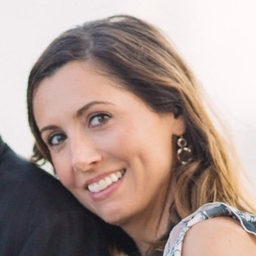
Marisa Taylor
VerifiedGet in touch with Marisa
Contact Marisa, search articles and posts on X, monitor coverage, and track replies from one place.
Learn more about Muck RackActions
Marisa Taylor’s Biography
Read Full Bio →I am a Brooklyn-based freelance writer and editor with more than a decade of experience. My passions are public health and and women's issues, but I've also written about science, LGBT rights, technology and business.
Most recently, I worked as an assistant editor at The Guardian U.S. in New York, commissioning stories about sustainable business, and before that, I spent three years covering health and gender as a staff reporter for Al Jazeera America's website. I kicked off my journalism care…
Marisa Taylor’s Journalist Portfolio
See all 54 portfolio items →


Awards
See all 3 awards →Gerald Loeb Award for Distinguished Business and Financial Journalism
2011 - Business
I was part of The Wall Street Journal's research and data analysis team for its "What They Know" investigative series, examining online privacy and the types of personal information websites collect from users. The series won in the Online Enterprise category.
Honors - Columbia University's Graduate School of Journalism
2006 - Academic
My master's thesis at Columbia University's Graduate School of Journalism was awarded with honors by adviser Samuel G. Freedman. I examined domestic violence in same-sex couples, profiling a victim and examining the barriers victims face in the legal, law enforcement and shelter systems.
John Jay College of Criminal Justice Fellowship
2015 - Criminal justice reporting
I was selected as one of 25 journalists in the country for a year-long reporting fellowship examining the intersection of mental health and the criminal justice system. For my reporting project, I wanted to investigate why a far greater percentage of incarcerated women are mentally ill than incarcerated men, according to DOJ data. After talking with dozens of experts, I learned something that I hadn't seen reported anywhere: that women who are behind bars have almost universally been abused physically, sexually or emotionally. In fact, the abuse and trauma they've experienced are often behind the crimes they've committed--helping an abusive boyfriend sell drugs, for example. I visited to Central California Women's Facility, the state's largest women's only prison, where I profiled Beyond Violence, a pilot program for violent women offenders that directly addresses their trauma history using mindfulness and visualization techniques, aiming to heal them so they can move forward.