
Sen. Steve Daines and Rep. Zinke are apparently bowing out of politics, but doing so in the rudest way possible to Montana voters, including their own party and supporters. Politicians who actually trust the voters are secure enough to let the election process run its course. Let the best person win. Power to the people. Democracy. Not so this pair. Instead, they led voters down a primrose path.
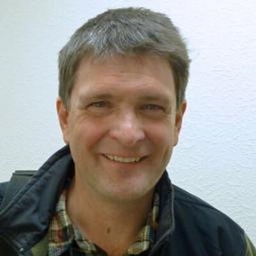
Ben Long
- Senior Program Director, Resource Media
Father, outdoorsman, author and conservationist living in Kalispell, Mont.
Is this you? As a journalist, you can create a free Muck Rack account to customize your profile, list your contact preferences, and upload a portfolio of your best work.
Claim your profile
Articles by Ben Long
We Never Voted for a Police State
Montanans never voted for a police state. Montanans treasure our individual liberties and appropriate limits on government power. Imagine if our city police or county sheriff’s deputies suddenly took to wearing masks to hide their identities. We wouldn’t put up with that. Why should we tolerate that with ICE? Montanans value our gun rights. Recently in Minneapolis, ICE tackled, disarmed, and then shot a man who was merely filming them from a sidewalk.
Let’s get to restoration and halt the roadless rodeo
Grounded in common sense, the Roadless Rule that the Trump administration wants to eliminate has not been controversial for 24 years. Stirring up needless fights over public lands is more about smoke-and-mirrors than land management. The Forest Service manages about 194 million acres. About 58 million acres of national forest are relatively undeveloped, and the rule applies to about 45,000 acres. These lands are generally remote and rugged and defined by what they don’t have — roads.
Let's get to restoration and halt the roadless rodeo
Grounded in common sense, the Roadless Rule that the Trump administration wants to eliminate has not been controversial for 24 years. Stirring up needless fights over public lands is more about smoke-and-mirrors than land management. The U.S. Forest Service manages about 194 million acres. About 58 million acres of national forest are relatively undeveloped, and the rule applies to about 45,000 acres. These lands are generally remote and rugged and defined by what they don’t have — roads.
Ryan Hunter for Mayor
Kalispell voters are fortunate to have a choice of three candidates for mayor. But Ryan Hunter rises above the others. Hunter has demonstrated a compassionate and commonsense form of leadership during his time on the city council. His background in urban planning is a strong asset as Kalispell deals with growing pains. Hunter has focused Kalispell’s most important issues, including making sure families can afford a roof overhead by seeking support for more action on affordable housing.
WRITERS ON THE RANGE: Let’s get to restoration and end the roadless rodeo
The Roadless Rule that the Trump administration wants to eliminate has not been controversial for 24 years because it is grounded in common sense. Stirring up needless fights over public lands is more about smoke and mirrors than wise management. The Forest Service manages about 194 million acres. About 58 million acres of national forest are relatively undeveloped. These lands are remote, rocky and rugged, defined by what they don’t have—roads.
Let’s get to restoration and halt the roadless rodeo
Grounded in common sense, the Roadless Rule that the Trump administration wants to eliminate has not been controversial for 24 years. Stirring up needless fights over public lands is more about smoke and mirrors than land management. The Forest Service manages about 194 million acres. About 58 million acres of national forest are relatively undeveloped. These lands are remote, rocky and rugged and defined by what they don’t have: roads.
Writers on the Range: Let’s get to restoration and end the roadless rodeo
The Roadless Rule that the Trump administration wants to eliminate has not been controversial for 24 years because it is grounded in common sense. Stirring up needless fights over public lands is more about smoke and mirrors than wise management. The Forest Service manages about 194 million acres. About 58 million acres of national forest are relatively undeveloped. These lands are remote, rocky and rugged, defined by what they don’t have — roads.
Who Does He Think He Represents?
Now that the 2025 Montana Legislature has adjourned, a question remains: Who does Lukas Schubert think he represents? Rep. Schubert’s saddest moment this session was a failed resolution urging President Trump and Minnesota Gov. Walz to pardon the dirty cop who is serving hard time for murdering George Floyd in broad daylight on a Minneapolis sidewalk. Why is this worth Legislative time? Does Lukas have a soft spot for extra-judicial police execution of private citizens?
The Gutting of Our National Park System
U.S. - Imagine a million-acre wilderness: Mountain peaks. Rushing rivers. Bears and wolves. Now imagine a city the size of, say, Chicago. In my corner of Montana every summer, those two things merge. Montana is home to Glacier National Park, and thirty years ago, the park had about a million visitors a year. Nowadays, the park attracts more than three […]
The gutting of our national park system
Imagine a million-acre wilderness: Mountain peaks. Rushing rivers. Bears and wolves. Now imagine a city the size of, say, Chicago. In my corner of Montana every summer, those two things merge. Montana is home to Glacier National Park, and 30 years ago, the park had about a million visitors a year. Nowadays, the park attracts more than 3 million people a year. It’s like a major city teleported to the spine of the Rockies. Those visitors have needs—food, restrooms, parking lots and trails.
The gutting of our national park system
By BEN LONG Writers on the Range Imagine a million-acre wilderness: Mountain peaks; Rushing rivers; Bears and wolves; Now imagine a city the size of, say, Chicago. In my corner of Montana every summer, those two things merge. Montana is home to Glacier National Park, and 30 years ago, the park had about a million visitors a year. Nowadays, the park attracts more than 3 million people a year. It’s like a major city teleported to the spine of the Rockies.
Imagine a million-acre wilderness: Mountain peaks. Rushing rivers. Bears and wolves. Now imagine a city the size of, say, Chicago. In my corner of Montana every summer, those two things merge. Montana is home to Glacier National Park, and 30 years ago, the park had about a million visitors a year. Nowadays, the park attracts more than 3 million people a year. It’s like a major city teleported to the spine of the Rockies. Those visitors have needs — food, restrooms, parking lots and trails.
The gutting of our national park system | Ben Long
Imagine a million-acre wilderness: Mountain peaks. Rushing rivers. Bears and wolves. Now imagine a city the size of, say, Chicago. In my corner of Montana every summer, those two things merge. Montana is home to Glacier National Park, and 30 years ago, the park had about a million visitors a year. Nowadays, the park attracts more than 3 million people a year. It’s like a major city teleported to the spine of the Rockies. Those visitors have needs — food, restrooms, parking lots and trails.
Opinion | Writers on the Range: The gutting of our national park system
Imagine a million-acre wilderness: Mountain peaks. Rushing rivers. Bears and wolves. Now imagine a city the size of, say, Chicago. In my corner of Montana every summer, those two things merge. Montana is home to Glacier National Park, and 30 years ago, the park had about a million visitors a year. Nowadays, the park attracts more than 3 million people a year. It’s like a major city teleported to the spine of the Rockies. Those visitors have needs—food, restrooms, parking lots and trails.
The gutting of our national park system
Ben Long Writers on the Range Imagine a million-acre wilderness: Mountain peaks. Rushing rivers. Bears and wolves. Now imagine a city the size of, say, Chicago. In my corner of Montana every summer, those two things merge. Montana is home to Glacier National Park, and 30 years ago, the park had about a million visitors a year. Nowadays, the park attracts more than 3 million people a year. It’s like a major city teleported to the spine of the Rockies.
The gutting of our national park system
State AlabamaAlaskaArizonaArkansasCaliforniaColoradoConnecticutDelawareFloridaGeorgiaHawaiiIdahoIllinoisIndianaIowaKansasKentuckyLouisianaMaineMarylandMassachusettsMichiganMinnesotaMississippiMissouriMontanaNebraskaNevadaNew HampshireNew JerseyNew MexicoNew YorkNorth CarolinaNorth DakotaOhioOklahomaOregonPennsylvaniaRhode IslandSouth CarolinaSouth DakotaTennesseeTexasUtahVermontVirginiaWashingtonWashington D.C.West VirginiaWisconsinWyomingPuerto RicoUS Virgin IslandsArmed Forces AmericasArmed...
Writers on the Range: Beware the Trojan Horse targeting public land
Sometimes when I drive past the little house my wife and I bought when we first married, 30 years ago, it makes me sad. Not only because of nostalgia, but because of economics. We were young professionals and bought a cute one-bedroom crackerbox in a small Montana town for less than $50,000. Today on Zillow that house lists for more than $300,000. There’s no way salaries have kept up with that kind of inflation. Clearly, rising costs are hitting the working class hard.
The gutting of our national park system
Imagine a million-acre wilderness: Mountain peaks. Rushing rivers. Bears and wolves. Now imagine a city the size of, say, Chicago. In my corner of Montana every summer, those two things merge. Montana is home to Glacier National Park, and 30 years ago, the park had about a million visitors a year. Nowadays, the park attracts more than 3 million people a year. It’s like a major city teleported to the spine of the Rockies. Those visitors have needs — food, restrooms, parking lots and trails.
WRITERS ON THE RANGE: The gutting of our national park system
Imagine a million-acre wilderness: Mountain peaks. Rushing rivers. Bears and wolves. Now imagine a city the size of, say, Chicago. kA 4=2DDlQA`Qmx? >J 4@C?6C @7 |@?E2?2 6G6CJ DF>>6C[ E9@D6 EH@ E9:?8D >6C86] |@?E2?2 :D 9@>6 E@ v=24:6C }2E:@?2= !2C<[ 2?5 b_ J62CD 28@[ E96 A2C< 925 23@FE 2 >:==:@? G:D:E@CD 2 J62C] }@H252JD[ E96 A2C< 2EEC24ED >@C6 E92? b >:==:@?
Writers on the Range: The gutting of our national park system
Imagine a million-acre wilderness: mountain peaks. Rushing rivers. Bears and wolves. Now imagine a city the size of, say, Chicago. In my corner of Montana every summer, those two things merge. Montana is home to Glacier National Park, and 30 years ago, the park had about a million visitors a year. Nowadays, the park attracts more than 3 million people a year. It’s like a major city teleported to the spine of the Rockies. Those visitors have needs — food, restrooms, parking lots and trails.
The gutting of our national park system
Imagine a million-acre wilderness: Mountain peaks. Rushing rivers. Bears and wolves. Now imagine a city the size of, say, Chicago. In my corner of Montana every summer, those two things merge. Montana is home to Glacier National Park, and 30 years ago, the park had about a million visitors a year. Nowadays, the park attracts more than 3 million people a year. It’s like a major city teleported to the spine of the Rockies. Those visitors have needs—food, restrooms, parking lots and trails.
Op-Ed: Beware the Trojan Horse targeting public lands
Sometimes when I drive past the little house my wife and I bought when we first married, 30 years ago, it makes me sad. Not only because of nostalgia, but because of economics. We were young professionals and bought a cute one-bedroom crackerbox in a small Montana town for less than $50,000. Today on Zillow, that house lists for more than $300,000. There’s no way salaries have kept up with that kind of inflation. Clearly, rising costs are hitting the working class hard.
Writers on the Range: Beware the Trojan Horse targeting public land
Sometimes when I drive past the little house my wife and I bought when we first married, 30 years ago, it makes me sad. Not only because of nostalgia, but because of economics. We were young professionals and bought a cute one-bedroom crackerbox in a small Montana town for less than $50,000. Today on Zillow, that house lists for more than $300,000. There’s no way salaries have kept up with that kind of inflation. Clearly, rising costs are hitting the working class hard.
Column: Beware the Trojan Horse targeting public land
Sometimes when I drive past the little house my wife and I bought when we first married, 30 years ago, it makes me sad. Not only because of nostalgia, but because of economics. We were young professionals and bought a cute one-bedroom crackerbox in a small Montana town for less than $50,000. Today on Zillow, that house lists for more than $300,000. There’s no way salaries have kept up with that kind of inflation. Clearly, rising costs are hitting the working class hard.
WRITERS ON THE RANGE: Beware the Trojan Horse targeting public land
Sometimes when I drive past the little house my wife and I bought when we first married, 30 years ago, it makes me sad. Not only because of nostalgia, but because of economics. kA 4=2DDlQA`Qm(6 H6C6 J@F?8 AC@76DD:@?2=D 2?5 3@F89E 2 4FE6 @?6\365C@@> 4C24<6C3@I :? 2 D>2== |@?E2?2 E@H? 7@C =6DD E92? Sd_[___] %@52J @? +:==@H[ E92E 9@FD6 =:DED 7@C >@C6 E92?
Beware the Trojan Horse targeting public land
Sometimes when I drive past the little house my wife and I bought when we first married, 30 years ago, it makes me sad. Not only because of nostalgia, but due to economics. We were young professionals and we bought a cute, one-bedroom crackerbox in a small Montana town for less than $50,000. Today on Zillow, that house lists for more than $300,000. There’s no way that salaries have kept up with that kind of inflation. Clearly, rising costs are hitting the working class hard.
Op-Ed: Beware the Trojan Horse targeting public lands
Sometimes when I drive past the little house my wife and I bought when we first married, 30 years ago, it makes me sad. Not only because of nostalgia, but because of economics. We were young professionals and bought a cute one-bedroom crackerbox in a small Montana town for less than $50,000. Today on Zillow, that house lists for more than $300,000. There’s no way salaries have kept up with that kind of inflation. Clearly, rising costs are hitting the working class hard.
Writers on the Range: Beware the Trojan Horse targeting public land
Sometimes when I drive past the little house my wife and I bought when we first married, 30 years ago, it makes me sad. Not only because of nostalgia, but because of economics. We were young professionals and bought a cute one-bedroom crackerbox in a small Montana town for less than $50,000. Today, on Zillow, that house is listed for more than $300,000. There’s no way salaries have kept up with that kind of inflation. Clearly, rising costs are hitting the working class hard.
Beware the Trojan Horse targeting public land
Sometimes when I drive past the little house my wife and I bought when we first married, 30 years ago, it makes me sad. Not only because of nostalgia, but because of economics. We were young professionals and bought a cute one-bedroom crackerbox in a small Montana town for less than $50,000. Today on Zillow, that house lists for more than $300,000. There’s no way salaries have kept up with that kind of inflation. Clearly, rising costs are hitting the working class hard.
Diane Boyd, forty years of living with wolves
By Ben Long Biologist Diane K. Boyd has had a front-row seat to 40 years of wolf recovery in the West, but her new memoir reveals that entanglements with humans in Montana were often tougher than dealing with the four-legged predators. There’s a proud literary canon of women telling their stories of studying wildlife in remote places—Mardy Murie in Alaska, Jane Goodall in Tanzania, Dian Fossey in Rwanda.
Writers on the Range: 40 years of living with wolves
Biologist Diane K. Boyd has had a front-row seat to 40 years of wolf recovery in the West, but her new memoir reveals that entanglements with humans in Montana were often tougher than dealing with the four-legged predators. There's a proud literary canon of women telling their stories of studying wildlife in remote places-Mardy Murie in Alaska, Jane Goodall in Tanzania, Dian Fossey in Rwanda.
WRITERS ON THE RANGE: 40 years of living with wolves
Biologist Diane K. Boyd has had a front-row seat to 40 years of wolf recovery in the West, but her new memoir reveals that entanglements with humans in Montana were often tougher than dealing with the four-legged predators. Boyd was raised in Minneapolis, where her suburban upbringing included regular escapes to local swamps and a zoo. At the zoo, alarmingly, one of the caged wolves bit her dog. Nonetheless, Boyd emerged enamored with both wolves and the wildness they represent.
WRITERS ON THE RANGE: 40 years of living with wolves Original
Biologist Diane K. Boyd has had a front-row seat to 40 years of wolf recovery in the West, but her new memoir reveals that entanglements with humans in Montana were often tougher than dealing with the four-legged predators. There’s a proud literary canon of women telling their stories of studying wildlife in remote places — Mardy Murie in Alaska, Jane Goodall in Tanzania, Dian Fossey in Rwanda.
Writers on the Range: 40 years of living with wolves
Biologist Diane K. Boyd has had a front-row seat to 40 years of wolf recovery in the West, but her new memoir reveals that entanglements with humans in Montana were often tougher than dealing with the four-legged predators. There’s a proud literary canon of women telling their stories of studying wildlife in remote places – Mardy Murie in Alaska, Jane Goodall in Tanzania, Dian Fossey in Rwanda.
40 years of living with wolves
Biologist Diane K. Boyd has had a front-row seat to 40 years of wolf recovery in the West, but her new memoir reveals that entanglements with humans in Montana were often tougher than dealing with the four-legged predators. There’s a proud literary canon of women telling their stories of studying wildlife in remote places — Mardy Murie in Alaska, Jane Goodall in Tanzania, Dian Fossey in Rwanda.
40 years of years of living with wolves
Biologist Diane K. Boyd has had a front-row seat to 40 years of wolf recovery in the West, but her new memoir reveals that entanglements with humans in Montana were often tougher than dealing with the four-legged predators. There’s a proud literary canon of women telling their stories of studying wildlife in remote places—Mardy Murie in Alaska, Jane Goodall in Tanzania, Dian Fossey in Rwanda.
Writers on the Range: 40 years of living with wolves
Biologist Diane K. Boyd has had a front-row seat to 40 years of wolf recovery in the West, but her new memoir reveals that entanglements with humans in Montana were often tougher than dealing with the four-legged predators. There’s a proud literary canon of women telling their stories of studying wildlife in remote places — Mardy Murie in Alaska, Jane Goodall in Tanzania, Dian Fossey in Rwanda.
WRITERS ON THE RANGE: 40 years of living with wolves
Biologist Diane K. Boyd has had a front-row seat to 40 years of wolf recovery in the West, but her new memoir reveals that entanglements with humans in Montana were often tougher than dealing with the four-legged predators. kA 4=2DDlQA`Qm%96C6’D 2 AC@F5 =:E6C2CJ 42?@? @7 H@>6? E6==:?8 E96:C DE@C:6D @7 DEF5J:?8 H:=5=:76 :? C6>@E6 A=246D—|2C5J |FC:6 :? p=2D<2[ y2?6 v@@52== :? %2?K2?:2[ s:2? u@DD6J :? #H2?52] }@H[ q@J5’D >6>@:C[ p (@>2? p>@?8 (@=G6D—|J y@FC?6J %9C@F89 u@CEJ *62CD @7 (@=7 #64@G6CJ[ CF?D :?
Writers on the Range: 40 years of living with wolves
Biologist Diane K. Boyd has had a front-row seat to 40 years of wolf recovery in the West, but her new memoir reveals that entanglements with humans in Montana were often tougher than dealing with the four-legged predators. There’s a proud literary canon of women telling their stories of studying wildlife in remote places — Mardy Murie in Alaska, Jane Goodall in Tanzania, Dian Fossey in Rwanda.
"It feels claustrophobic"- Salford Quays residents reject plans to extend building by 4 storeys
Nearly 100 residents in the Salford Quays have objected to a proposed four-storey extension above a shisha lounge and office building in Salford. With many upset by the news, 93 objections have been made against the proposed plans as they believe the extension will affect buildings close by. A resident of Millennium Tower, Chantal Zuurmond, was outraged when she saw the post on February 23 on the Millennium Tower Facebook group.
Glasshouse Restaurant and Bakery reopens in Worsley
Glasshouse Restaurant and Bakery in Worsley hosted its relaunch event yesterday evening following a set of renovations. The student led establishment reopened its doors in Worsley following reconstruction which saw a new interior for the restaurant as well as a “new venture” of a bakery opening up on the site too. When reflecting on the reopening, restaurant manager, Tina Bowker said: “It went amazingly, people were queuing out of the door to buy things from the shop.
Opinion: Collaboration gets you farther than insults
Is there any habit harder to break than harboring a grudge against an old adversary? Yet burying hatchets is exactly what it might take to conserve our wildlife, in the face of ever-increasing pressures on the places they need to survive. Consider grizzly bears. In 1973, grizzlies were on a steep decline and headed for the list of threatened species. Wolves were almost extirpated from the West. As that story was told, its villains were often the folks in the cowboy hats.
EPA Grant Will Help Families Afford Montana
When my wife and I began our careers in the Flathead Valley 30 years ago, we were lucky enough to buy a house. The house – one bedroom, one bath – cost us less than $50,000. That house today is posted on Zillow for $350,000. That’s a 700 percent increase. Local salaries have not come close to keeping up. This is our housing crisis in a nutshell. Every family should be able to afford a roof over their head. Where will working class people live? There’s no easy answer.
Collaboration gets you farther than insults
Is there any habit harder to break than harboring a grudge against an old adversary? Yet burying hatchets is exactly what it might take to conserve our wildlife, in the face of ever-increasing pressures on the places they need to survive. Consider grizzly bears. In 1973, grizzlies were on a steep decline and headed for the list of threatened species. Wolves were almost extirpated from the West. As that story was told, its villains were often the folks in the cowboy hats.
Flathead Electric Co-op Should Look for Solutions on Snake River Dams
Flathead Electric Coop has a right to its opinion about the Columbia Basin hydroelectric system. But FEC should not feed its members one-sided propaganda. We all appreciate affordable power. No one wants (or needs) to give that up. There are 30 dams on the Columbia and its mighty tributaries. We can afford to look honestly at four dams on the lower Snake. FEC’s talking points ignore key facts that members deserve to understand.
Collaboration gets you farther than insults
Ben Long is a contributor to Writers on the Range, writersontherange.org, an independent nonprofit dedicated to spurring lively conversation about the West. He is senior program director for Resource Media and lives in Kalispell, Montana.
"I was able to create consistency" Says Monton Runners founder
The founder of a new Monton running group, Monton Runners, welcomes anyone from the Salford community to join the group’s current 500 members. Founding member Joel Shelvin opened the running group in December and in the first two months of launching, the group now has over 500 members. The group meets twice a week completing a 4km run on Mondays and an 8km run on Thursdays and each run has a tail runner provided for members who take it a bit slower or are getting into the swing of running again.
Show More
loading
Actions
Is this you?
As a journalist, you can create a free Muck Rack account to customize your profile, list your contact preferences, and upload a portfolio of your best work.Get in touch with Ben
Contact Ben, search articles and posts on X, monitor coverage, and track replies from one place.
Learn more about Muck Rack