
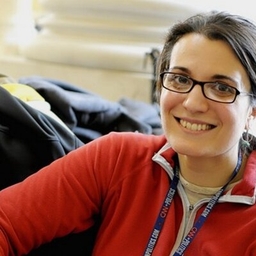
Laura Bernardini
Verified
As seen in:
CNN,
Nature,
Wiley Online Library,
MDPI,
WYFF-TV (Greenville, SC),
WDSU-TV (New Orleans, LA),
Lexology,
Future Medicine,
European Journal of Obstetrics & Gynaecology and Reproductive Biology,
Insurance Day,
EJSO - European Journal of Surgical Oncology
Covers:
white house, politics
CNN Vice President of News based in Atlanta plus proud native Vermonter
Get in touch with Laura
Contact Laura, search articles and posts on X, monitor coverage, and track replies from one place.
Learn more about Muck RackActions
Laura Bernardini’s Biography
Read Full Bio →Supervising Producer for CNN's White House unit plus proud native Vermonter & links/retweets are not endorsements
Laura Bernardini’s Journalist Portfolio

